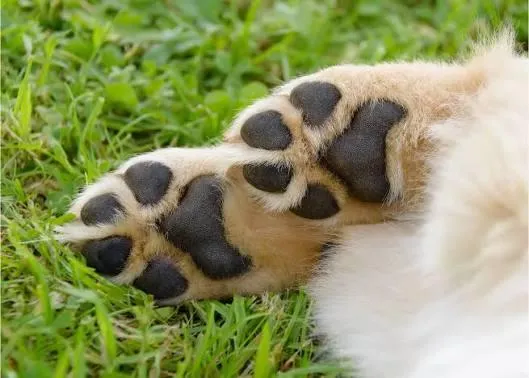
Nail Trims 101
Keeping up with your dog’s nails can be a difficult task. It's hard to know how much to trim, and dogs don’t like having their feet handled in general. At Dogology, we know that healthy paws are essential for your dog’s comfort, mobility, and overall well-being, so we make sure to trim those toes whenever your dog comes in for grooming. But why are nail trims so important?
Unlike wild dogs, most family pets don’t naturally wear their nails down enough through daily activity. Walking on grass, carpet, or soft trails doesn’t provide enough friction to keep nails short, meaning they continue to grow until they’re trimmed.
When nails become too long, they can affect much more than just your dog’s feet. Every step your dog takes with overgrown nails puts pressure on their toes. Instead of the paw sitting naturally on the ground, long nails force the toes upward, creating discomfort and changing the way your dog walks.
Over time, this can lead to:
Sore feet
Joint pain
Muscle strain
Changes in posture
Additionally, dogs rely on their feet for balance, traction, and movement. Overgrown nails can make it difficult for dogs to participate in day to day activities like running and playing. It’s especially important to keep the nails of senior dogs short to avoid medical issues like arthritis. A dog’s feet are the foundation of their entire body. When nails are too long, dogs compensate by changing how they stand and walk. This altered posture can put extra stress on their joints, hips and spine.
Long nails are also more likely to snag on things like carpets, blankets or furniture. This can cause a torn nail.
A torn nail can be extremely painful. It can also lead to infection and be expensive to treat if veterinary care is needed. Routine nail trims significantly reduce the risk of painful nail injuries.
Regular nail trims help keep nails and the quick of the nail at a manageable length. Inside every nail is a blood vessel and nerve called the “quick.” When nails stay long for extended periods, the quick grows longer too, making future trims more difficult. The good news is that frequent trims encourage the quick to slowly recede, allowing nails to become shorter over time. For dogs with very long nails, gradual trimming every 2–4 weeks is often the safest approach.
For regular maintenance, most dogs benefit from nail trims every 3–6 weeks. Things like age, activity level, breed, and genetics can affect how often nails need to be trimmed. Some dogs naturally wear their nails down more than others, while many require consistent professional maintenance.
How can you tell if your dog needs a nail trim? Watch out for these common signs:
Nails clicking on hard floors
Nails touching the ground while standing
Difficulty walking on smooth surfaces
Curved nails
Excessive licking of the paws
Reluctance to walk or play
If you notice any of these signs, it’s time to schedule a nail trim.
Many dogs dislike having their feet handled, making nail trims stressful at home.
At Dogology, our experienced groomers use gentle handling techniques to help dogs feel as comfortable as possible during the process. We trim nails carefully and safely while watching for signs of stress or discomfort.
Our team can also help establish a regular nail care routine, making each visit easier for both you and your dog.
Regular nail trims aren’t just about neat-looking paws—they’re an important part of preventative healthcare. Keeping nails short helps your dog move comfortably, reduces the risk of injury, and supports lifelong joint health.
Whether your dog visits us for a full grooming appointment or just needs a quick nail trim, our team is here to help keep those paws healthy.
At Dogology, we’re committed to making grooming a positive experience while helping dogs stay healthy from nose to tail—including their paws.
If your dog’s nails are starting to click on the floor or it’s been more than a month since their last trim, we’d love to help.
Contact Dogology today to schedule your dog’s next nail trim and keep them walking comfortably all year long.


